“Heart & Soul” – a Photo Project Looking at Animal/Habitat Relationships

My most popular piece from the "Heart & Soul" project showing an Eastern Box Turtle with her ideal habitat - a deciduous forest near a body of water, in this case a lake fed by an intermittent stream.
My most popular piece from the Heart and Soul Photo Project showing an Eastern Box Turtle with her ideal habitat – a deciduous forest near a body of water, in this case a lake fed by an intermittent stream.

As a Conservation Photographer who finds the interconnection of life fascinating, I try to reflect that passion in my work. I created my “Heart & Soul” project to depict this interconnection.

The Heart and Soul Photo Project shows the blend of an animal and it’s ideal habitat, or where the animal’s heart and soul belong, through image overlays. I take a portrait of an animal and create a composite. The end result is a piece of art that reflects the connection that the animal has with it’s home and helps to create a better understanding for the viewer of the animal’s life and basic needs.

Bearded Dragons vary in color from tan, to light brown, to slightly reddish and are so colored to be able to blend in with their desert environments. This made the overlay process a little difficult as the lizard is designed to be indistinguishable from their surroundings!

Habitat destruction and fragmentation are destroying our world’s beautiful and diverse animal populations. Without their ideal habitat, they are forced to adapt. Unfortunately, the fragmentation and destruction happens too quickly for the animal to adapt in time, causing their population to dwindle to the point of extinction. Over 80% of endangered and threatened species have been listed as such due to habitat destruction, and the worst part is that this destruction is mainly caused by humans. We focus on current events and get lost in “the now”, but we need to think of the long-term consequences our actions will pose to the planet that we live on. Everything is interconnected and without one piece of the puzzle, ecosystems can fall apart. Humans are stewards of this amazing planet!

My Heart and Soul Photo Project strives to start conversations that get people thinking about and recognizing the importance that animals play and the importance of keeping habitats intact. Each piece is unique and the animal’s personality (especially if a domestic animal!) comes across – from lone wolf to friendly box turtle.

Predatory canines ran in the woods in search of small mammals. To this day, wolves, coyotes, and foxes run wild and are important parts of the food chain as predators.
Predatory canines ran in the woods in search of small mammals. To this day, wolves, coyotes, and foxes run wild and are important parts of the food chain as predators.Predatory canines run around in the woods in search of small mammals and make dens/homes in the protection of forests and rocks. To this day, wolves, coyotes, and foxes run wild and are important parts of the food chain as predators.

As I come across various wildlife species from around the world, I try to add their portraits to my collection of Animal/Habitat relationships in my Heart & Soul photo project! While I am constantly on the lookout for the perfect wildlife/landscape photo pairing, this is a project that will take lots of time, and honestly, will never be complete as there are more animals that need their life story told!

To view my full collection of “Heart & Soul” prints, visit shop or follow me on Instagram @TheArtofEcology – I always post my most recent project bits there!

Supporting The Art of Ecology through the online shop or by becoming a Patron at any tier on Patreon can help keep educational content coming!

Doctor Fish, Sulfur Water, and More – all at Vouliagmeni Lake!

Lake Vouliagmeni was a great experience during our Greece honeymoon where we got to learn a lot about the natural ecosystem of Greece along with getting a relaxing spa day!

Recently, my husband and I went on our honeymoon to Greece! As both of us are in the environmental field (he’s an arborist – or Tree Doctor), we were both very excited to experience a new ecosystem! Yes – that is what we were excited for. Yes – we are nerds.

One of the best days of the honeymoon (tied with or second to our trip to the Temple of Poseidon), we ventured to Lake Vouliagmeni, a lake marketed as a “natural, thermal spa day” on google. Well, if that is what all spas were like, I would DEFINITELY be a spa type of girl!

This natural lake is fed by ocean springs that range from 100-300 feet deep! The heat of these natural springs keep the lake at a wonderful 75-80 degrees Fahrenheit year-round, making it an optimal bath during the winter.

The components of the water, along with the indigenous fish were what made this lake a “spa”. The water temperature helps to relieve musculoskeletal, gynecological and dermatological diseases. It also helps to relax the body, which can help reduce stress and post-traumatic symptoms.

Not only was the temperature a treat, but it’s mineral composition was too! The water is comprised of many things like:

  • Calcium, which maintains proper homeostasis of cell membranes, aides the function of enzymes, and reduces swelling in muscular and connective tissue.
  • Carbonates, which aid in GI function and increase intestine and gallbladder contractility, which improves digestion.
  • Magnesium, which plays an important role in 300+ enzymatic reactions like protein synthesis, neural and muscle function, and regulation of blood pressure!
  • Sulfur (who knew that sulfur water could be good for you!), which has anti-allergic and antiseptic properties. It reduces pulmonary disorders like bronchitis, asthma, and chronic lung inflammations.
  • Potassium, which is essential for normal cell functions. It helps to regulate the heart and keep the muscles functioning as normal. It also aids in brain function, along with sodium.
  • Sodium, which plays an important role in hydration and in basic brain function.
  • Chloride, which helps to maintain cellular composition and helps maintain normal osmotic pressure, allowing cells to intake water through the membrane.
  • AND FISH!
    • The little native fishies in the lake are called Garra Rufa, also known as Doctor Fish. These fish are bottom feeders and love the detritus of the lake floor. However, this also means that if you stay still for long enough, they will start nibbling off your dead skin! This is a gentle, ticklish, experience that we discovered left your feet and legs feeling smooth and fresh. It was a wonderfully unique exfoliating experience.
_MGJ1842 small
These Doctor fish eagerly swam up to us to feed off of dead skin.

One of the exciting things to us was that the staff asked you to rinse off or not use sunscreen as this would compromise the mineral composition and add unnecessary chemicals to the water that could then hurt or kill the indigenous fish. It was wonderful to see such care for the environment in another country!

Overall, the lake was a fascinating place that did leave us feeling rejuvenated and ready to return to the states.

Interested in seeing more of my photos from Greece, follow me on instagram or faceook @TheArtofEcology. Also, if you’re interested in bringing the Mediterranean or the Aegean Sea to your home (believe me, those vivid blue waters were delightful!), check out my print shop!

Supporting The Art of Ecology through the online shop or by becoming a Patron at any tier on Patreon can help keep educational content coming!

Soooo… You may have noticed I love the ocean! Why might that be?

This beach of the coast of Maine  many marine birds, whales, fish and small invertebrate life!
This beach of the coast of Maine many marine birds, whales, fish and small invertebrate life!

Fun fact for the day – Did you know that my name, Marissa, means “Of the sea” in Latin?

I have fond memories of going to the beach with my parents and jumping waves with my dad. I walked along the beach; fascinated by shells. As an elementary school student, I remember going to aquariums and being enthralled by even the smallest jellyfish or sea urchin! Stare at sharks – absolutely! Pet a sting ray – for sure! Learn about sea cucumbers – why not?!  Later on, I was fortunate enough to take not just one, but two marine biology courses and my love of the ocean solidified! While I am not a marine biologist (I used to be on the Veterinary track and when deciding on what to specialize in, I think I would have gone with marine mammals), much of my fascination with the interconnection of nature can be traced back to those classes. After all, I believe that so much of life is connected and depends on it’s health!

The ocean is a marvelous place. It’s food chain is intricate. Phytoplankton feed small fish, which feed larger mammals, which feed apex predators. Even the slightest disturbance in this chain can be devastating. For instance, a phenomenon called “Biological Magnification” occurs when something small eats a tiny molecule (let’s look at Mercury). That tiny animal, and it’s friends, get eaten by a slightly larger fish. That larger fish now has ingested Mercury. A shark comes along to eat many larger fish and gets very sick due to Mercury poisoning. The chemical gets stored and isn’t flushed out of the system.

Many may ask, “What does the ocean health have to do with life on land?” The phytoplankton and other aquatic plants provide roughly 70% of Earth’s oxygen. If the ecosystem gets damaged enough (chemical/trash pollution, temperature change due to climate change, etc…), many of the creatures producing oxygen could die. Do you eat fish? If so – be careful as biological magnification can impact humans as well! Do you go to the beach? If so – be careful about what water you swim in! Coming in contact with polluted water can cause some adverse health issues like rashes and digestive problems. These things don’t even hit the tip of the ice berg when it comes to ocean health and land life!

This all sounds scary, especially when we look at how polluted the ocean already is due to humans, but try to look on the bright side! If humans cause a lot of damage, that means that humans can fix it! Here are some ways to keep the ocean and it’s inhabitants clean and happy:

  1. Skip all single-use plastics! 267 marine species have been impacted by plastic marine debris (86% of all sea turtles, 44% of all seabirds, and 43% of all marine mammals). Many birds wind up with plastic in their tummies and turtles have a hard time differentiating between a jellyfish meal and an upside down, floating, opaque plastic bag. If you’re on the beach, try to pick up any trash that you see and dispose of it properly before a dingus seagull tries to eat it!

jellyfish
Doesn’t this, if you’re looking through the eyes of a turtle, look similar to a bunch of floating plastic bags? Be conscientious of your plastic use!
  • Eat sustainably harvested seafood. Over fishing and poor farming practices have impacted the food chain and thrown the balance out of whack! Look for labels that say “Sustainably Caught”. Click here for a Sustainable Seafood Guide!
  • Reduce your carbon footprint. As climate change occurs, the ice caps melt, causing a rise in sea level and a change in temperature. A change in temperature can impact marine animal’s ability to regulate their body temperature, causing them to get sick and potentially die. Climate change can also change current patterns that animals rely on for migration. If the animal can’t migrate to their feeding or breeding grounds, the survival of that species is threatened.
  • Buy ocean-friendly! Did you know that some makeup has squid or shark parts as an ingredient? Try to look for makeup without “squalene“. Also, purchasing coral, shiny, beautifully intact shells, or turtle shell jewelry typically comes from unethical fishing practices where the animal is killed for the purpose of having a part of it to be sold.
  • Support ocean-friendly organizations! There are some great organizations out there that are working hard to make the ocean a better habitat whether by implementing sustainable fishing practices, reducing marine debris, educating the public about marine life, or by protecting the animals that live there, and these groups deserve your support!
    1. Please note – there are WAY more organizations than the ones that I added links for. Find your favorite and support them!
  • Remember – a portion of all proceeds of any art purchased through The Art of Ecology goes back towards conservation efforts! If you purchase any ocean related art, that portion will go specifically back towards protecting marine animals and cleaning up marine debris! Make an impact on the health of the ecosystems you love by purchasing any piece of my artwork! Go to my Etsy Shop for prints and photo gifts, or go to my products page to learn how to place an order here.
  • brigantine sea grass
    Sea grass can hold beaches together and prevent sediment from washing away into the ocean.

    Supporting The Art of Ecology through the online shop or by becoming a Patron at any tier on Patreon can help keep educational content coming!

    Pollinator Week 2018

    hummingbird moth1
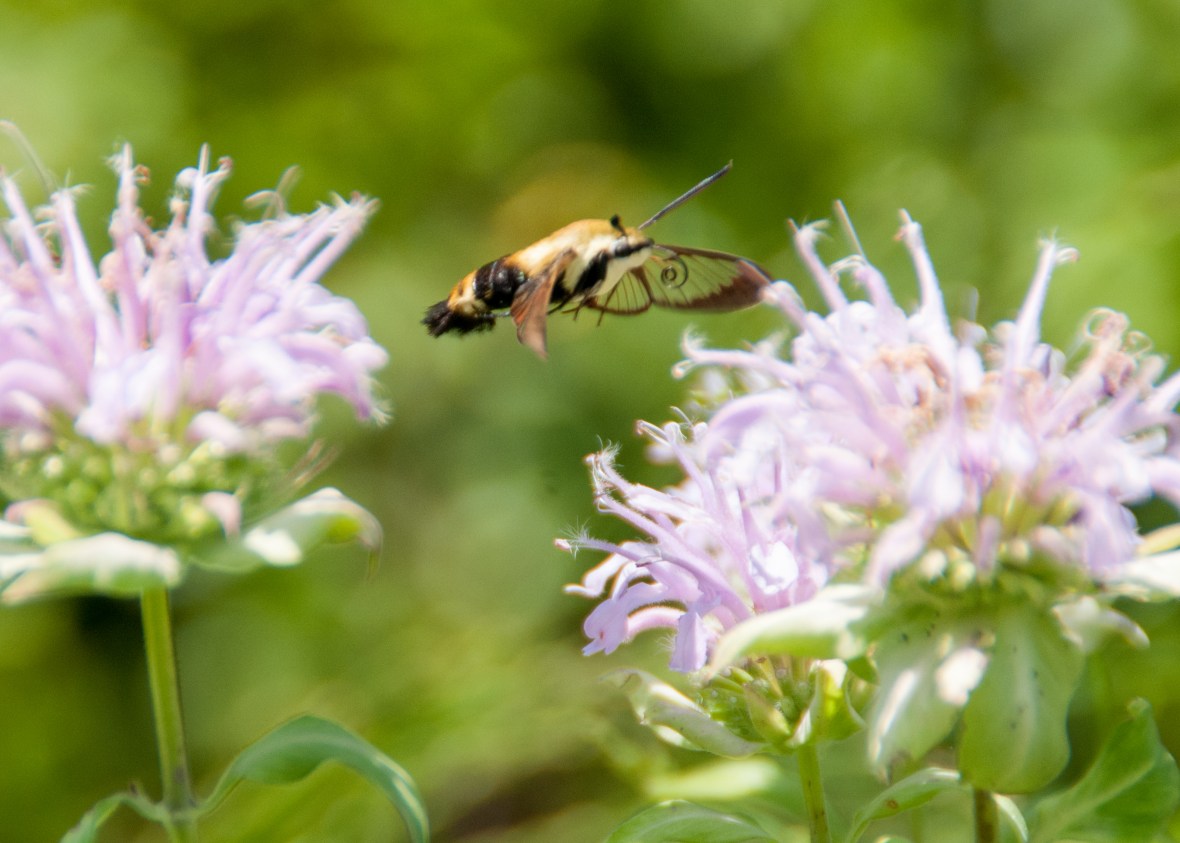
    Hummingbird moths are incredible little pollinators who love flowers like bee balm. Celebrate them during this year’s National Pollinator Week!

    Pollinators, the little critters that are responsible for providing us with roughly one-third of our food, are in trouble. Their populations have been declining for years, so 11 years ago, the US Senate designated a week in June as “National Pollinator Week” to help raise awareness and address this issue. To find a Pollinator related event near you or to learn more about the designated week, click here!

    Many people immediately think of bees and butterflies as pollinators, however there are so many more species that fall under this category! Birds, bats, beetles, moths, and even some flies can be considered pollinators as well. A pollinator is simply an animal that helps plants reproduce by moving pollen grains from the male to female part of the plant.

    _MGF8822
    This Tiger Swallowtail loves plants like Thistle, Butterfly weed/bush, and Joe-Pye Weed!

    Unfortunately, these amazing animals are being severely impacted by climate change, chemical pollution, habitat destruction and fragmentation, invasive species increase, and disease. The Mexican Long-nosed Bat is one of these animals. These agave pollinators (anyone like Tequila or using agave as a natural sweetener?) call Mexico their home for the winter and spring and migrate to Texas and New Mexico during the summer to feed on agave. Climate Change is impacting their food source and habitat destruction, specifically from the proposed Border Wall, threatens their migration route. With this large, man-made barrier in the way, these bats will have a hard time migrating north with their babies.

    Another “closer-to-home” endangered pollinator is the Rusty Patched Bumblebee. This species was the first wild bee to be added to the list of endangered species. This bee has been impacted severely by disease and habitat destruction (mainly due to urban development and intensive agriculture farming) and their population has decreased by 87% in the last 20 years!

    This Bumblebee is hard at work collecting pollen from the Chicory.
    This Bumblebee is hard at work collecting pollen from the Chicory.

    I won’t leave you on a depressing note, though. There is always something that you can do to help the pollinators in your area thrive! Here is my top 10 list of ways to help local pollinator populations (as always, feel free to comment below and let me know your favorite ways of helping!):

    1. Create new habitat. From adding window boxes in your home to seed-bombing roadsides, there’s always space for new pollinator habitat!
    2. Plant natives in clusters. Native plants will be the pollinator’s ideal food source and the large cluster will easily attract them.
    3. Plant for continuous bloom. These animals need a sustainable food source, so be sure that your plants will bloom spring-fall! Providing habitat like dead branches/trees will provide winter homes for wood-nesters.
    4. Eliminate chemical pesticides. Use biological methods of pest control and try planting “companion plants” (plants that deter pests to other plants).
    5. Check out the BeeSmart Pollinator Gardener App! It helps you select the best plants for the pollinators in your area that need it the most.
    6. Support local beekeepers! They are busy boosting the bee population and guess what – eating locally farmed honey can increase your immune system and help prevent the symptoms of seasonal allergies! It’s a win-win.
    7. Make your Carbon Footprint a little greener. Climate change impacts pollinators as severe weather can through off migrations, destroy food resources, and reduce habitat.
    8. Be a part of the Million Pollinator Garden Challenge! Register your garden (no matter the size) as a garden that serves, not deters, pollinators.
    9. Know what your favorite pollinator likes. There’s nothing wrong with preferring cute hummingbirds or beautiful butterflies to beetles and flies – but make sure that you are planting to attract them! Hummingbirds love the color red and butterflies like having flat topped flowers to land on. Do be sure to have some plants for everyone though!
    10. Share your love of nature with your friends and family! The best way to help declining populations is to raise awareness and show others why protecting these amazing animals is so important.
    _MGF8473
    Did your know that hummingbirds have a favorite color? By knowing what colors and shapes of flowers attract certain pollinators and planting accordingly, you can increase your likelihood of seeing these pollinators in your years

    A great way to share this love is through art! Home decor/wall art can be a great conversation starter, so shop today, to bring a dose of pollinator love to your home today! Remember – a portion of all proceeds goes back towards wildlife conservation, habitat preservation, and environmental education – another great way to help pollinators in need!

    Supporting The Art of Ecology through the online shop or by becoming a Patron at any tier on Patreon can help keep educational content coming!

    Beautifully Built Bird Beaks & Bills

    You have a bird feeder out in your back yard, but you notice that not all of the birds you have seen are visiting it – Why might that be?

    Well, one answer might be that not all birds are designed to eat the same foods. By looking at the bird’s beak or bill, you can guess what they are designed to eat, and therefore, maybe even their ideal habitat!

    For instance, ducks and many other waterfowl birds have bills that are shaped more like a scoop or spoon. This is so that they can scoop up nutrient (and bug) rich water and aquatic plants! With a bill designed like that, it makes sense that you wouldn’t see them waddling around a desert looking for a tasty lizard snack. Streams that run through your property or a garden pond may attract these waterfowl.

    _MGF4713
    Geese have more triangular bills than ducks, but still are aquatic plant/insect eating birds.

    The hummingbird, with it’s needle-like beak is perfectly designed to go after trumpet-shaped flowers with sweet nectar to eat with their long tongues via capillary action, similarly to how a paper towel absorbs water. The beak is simply what protects the tongue. Add trumpet flowers or tube-shaped flowers (especially red ones!) to attract them. If gardening isn’t your strong suit or not feasible, add a special sugar-water hummingbird feeder!

    _MGF8510
    Hummingbirds LOVE the color red! Add red trumpet flowers or red feeders to attract these fascinating birds to your yard.

    Cardinals, Blue Jays, and Grosbeaks have beaks that are perfect to crack open seeds with. They have a special curve on their strong beak that perfectly fits nuts and seeds. They can use their beaks as specialized nutcrackers! Attract these songbirds with sunflowers or large seed producing plants. They love black oil sunflower seed and Blue Jays love the feast that a shelled, peanut-filled feeder creates.

    old process cardinal
    These strong beaked birds specialize in cracking open nuts and seeds.

    Insect-eaters, like Downy Woodpeckers, Pileated Woodpeckers, Nuthatches and more have beaks that are made to hammer away at wood and almost pinch or spear the buggies within. Woodpeckers love hammering away at suet feeders. They also love searching for insects in dead wood – so don’t clear out all dead wood – leave some for the woodpeckers!

    _MGF6454
    Downy woodpeckers specialize in hammering away at trees in search of insects that bore into the wood, however they can also be seen pecking at black oil sunflower seeds.

    Finches, whose beaks sparked the start of humans classifying, sorting, and recognizing differences in animal adaptations, love tiny seeds like thistles. Their beaks are shorter and narrower than those of the large seed/nut eaters. To attract these birds (my personal favorite songbird is the American Goldfinch), put up a Nyjer seed feeder and keep purple thistles available for them.

    This thistle provides perfect food for these lovely yellow finches!
    This thistle provides perfect food for these lovely yellow finches!

    Raptors have strong, sharp, and curved beaks. Their top mandible is curved into a hook which is perfect for holding on to meat and ripping into it and overlaps the bottom mandible slightly so that it can cut and sever the meat. You wouldn’t see one of them pecking at a flower or sucking up nectar! While these birds may be a hassle around your songbird feeder, they are important parts of the ecosystem and can reduce rodent pest population. Put up raptor nest boxes (like kestrel, owl and others) to attract these birds of prey to your area.

    _MGF2113
    The curved beak of the Barred Owl is designed to shred, hold, and rip meat. These birds do not have the ability to eat seeds or drink nectar like other birds are.

    It’s amazing how many birds can come to our yards, yet they all eat and use their own specialized resources! As you garden and design your yard, consider attracting these different bird species to enjoy the beauty that their diversity can bring.

    Bring these marvelous birds to your home by adding some bird-themed art to your walls!

    Supporting The Art of Ecology through the online shop or by becoming a Patron at any tier on Patreon can help keep educational content coming!
    Butterflies: How to Add Extra Color to Your Garden

    The American Lady Butterfly's identifying mark is the one white spot on the orange of the upper wing. They are small and love summer flowers!
    The American Lady Butterfly’s identifying mark is the one white spot on the orange of the upper wing. They are small and love summer flowers!

    Gardening season is upon us! I for one absolutely love having as much color surrounding me as possible, so naturally, I plant a variety of vividly colored flowering plants, but why stop there? Why not garden for vividly colored wildlife as well?

    Butterflies, even the caterpillars, are vital parts of the ecosystem and making your garden attractive to them is important to help maintain their populations. By making our gardens attractive to the adult butterflies they’ll want to not only pollinate our plants but lay their eggs there as well!

    Eastern Tiger Swallowtail caterpillars love Cherry trees,  Willows, Tulip Poplars, Birches, and Ash trees while the adult butterfly likes Lilacs, various milkweeds, Joe Pye weed, and even some types of flowering trees like Cherry!
    Eastern Tiger Swallowtail caterpillars love Cherry trees, Willows, Tulip Poplars, Birches, and Ash trees while the adult butterfly likes Lilacs, various milkweeds, Joe Pye weed, and even some types of flowering trees like Cherry!

    With over 120 different species, chances are that you could have quite a variety of fluttering animals (maybe with all of your attractive plants you’ll start seeing more hummingbirds too!) visiting your flowers. In order to attract butterflies, you’ll want these 5 (kind of 6) basic things:

    • Caterpillar plants – Make sure that there are plants that the babies will want! Caterpillars eat leaves, while the adults rely on nectar and minerals, so naturally the plants that the different stages rely on are different. Click here for a list of good caterpillar plants.
    • Butterfly plants – Here’s a hint… Plant colors that butterflies like! They are drawn to shades and hues of red. Purples, pinks and oranges are great as well! Since the adults like to land on top of the flowers, their favorite style of flower will be one that is flat topped with short flower tubes.
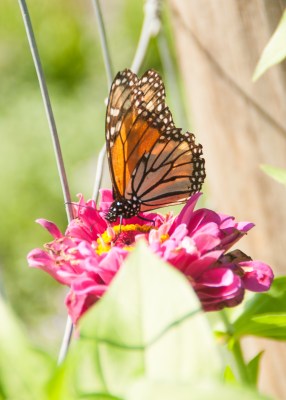
    Monarch Butterflies are always exciting to see! The caterpillars solely rely on milkweed, so with the loss of caterpillar habitat, Monarch populations declined. Planting Milkweed in your garden/open spaces will help restore their population!
    • Organic Gardening Methods – Forget the pesticides and insecticides! Most products don’t really discriminate between the good and the bad bugs, so in order to protect the butterflies, avoid the pesticides all together. Also, some herbicides kill caterpillar host plants and if there’s no baby caterpillars, there won’t be adult butterflies. Companion planting (putting a plant next to another plant that deters pests – ie. Deer don’t like Marigolds) is a great idea, as is using biological pest controllers such as Praying Mantises and Ladybugs.
    • Sun – These poor cold-blooded critters rely on the sun to warm them up! Make sure that your butterfly garden gets enough sun to keep their bodies moving.
    • Rocks – This can go hand in hand with sun… Rocks absorb heat, so butterflies can land on these, spread out their wings and bask in the wonderful microclimate of that rock. Fortunately, rocks also provide another resource! Butterflies do something called “Puddling” where they will land on a nice moist area and “lick” the ground. They are actually getting valuable minerals from the ground and rocks. Having rocks that will regularly collect water or rain is a great way to provide a non-plant resource.
    • Sustainability – In order to keep your new friends coming back year after year, you will want to make sure that there are good plants growing and blooming in each season. Don’t fuss about annual plants, plant some perennials to sustain your garden’s blooming!

    With the weather and native plants on your side, hopefully you’ll have a busy garden that’s full of life this year! Don’t have the space for garden and wish you did so that you could see these beauties or simply love their unique wings? Don’t worry! Bring them inside with any one of these photos. Simply visit my shop to bring their vibrant colors inside.

    Supporting The Art of Ecology through the online shop or by becoming a Patron at any tier on Patreon can help keep educational content coming!

    How much water is ACTUALLY available for our use?

    publishedripples
    Water may seem in plentiful here on the east coast of the US, but in reality, we’re lucky.

    It’s nearing summer and a lot of us are thinking about making our gardens beautiful, bbq-ing, and heading to the beach or pool! What do these all have to do with nature? They all consume an extraordinary amount of water – something that is a valuable resource!

    Yes, water naturally recycles itself through the water cycle (evaporation, condensation, precipitation, etc…), however the number of people all needing that same resource is exponentially increasing. As I write this,  Earth’s population is 7,632,819,325!

    While in many areas of America, it may seem as if we have an abundance of water, it’s not that way for much of the developing world and parts of America. In fact, less than 1% of all of the planet’s water is usable as freshwater. Here is a breakdown of the planet’s water:

    • Ocean water: 97.2%
    • Glaciers and other ice: 2.15%
    • Groundwater,: 0.61%
    • Fresh water lakes: 0.009%
    • Inland seas: 0.008%
    • Soil Moisture: 0.005%
    • Atmosphere: 0.001%
    • Rivers: 0.0001%
    Oceans make up most of the water on the planet - but unfortunately, as salt water, we can't efficiently use it.
    Oceans make up most of the water on the planet – but we can’t yet efficiently use saltwater.

    As humans, we need water to survive – after all, we’re 60% water! Not only do we need to stay hydrated to make sure that our body functions properly, but we also use water to produce food, clothes, technology, and more!

    To give you an idea of how much hidden water we use, or “virtual water”, 1 lb. of beef requires around 1,800 gallons of water to raise and care for the animal and make sure that the meat is clean.

    It’s estimated that by 2025, 1.8 billion people will suffer from scarce water supplies and two thirds of the planet will suffer from water-stress as a direct result from overuse and climate change.

    So what can be done? I’m not suggesting that we all starve ourselves of water, but to be aware of what we’re using and to analyze our water usage to prevent overuse of this valuable resource.

    Here are some of my favorite ways to conserve water. Comment if you have others and I’ll add them to the list!

    • Reuse leftover water from cooking. I wait until it’s cooled and then I water my garden with the nutrient rich water.
    • Leave lawn clippings/leaves on the ground. This not only recycles the nutrients back into the ground, but it will help the ground retain moisture. Compost in garden beds does the same thing!
    • Collect rain in a rain barrel to use for gardening.
    • Use a reusable water bottle. Plastic requires a LOT of water to make it. Any undrunk water can be used to water houseplants.
    • Encourage your, or your child’s, school to increase watershed/water conservation education in the curriculum.
    • Only wash full loads of laundry or dishes in the dishwasher.
    • Purchase energy/water efficient appliances.
    • Shorten your shower by a mere minute or two and save roughly 150 gallons per month!
    • Water plants only when necessary (know your plants requirements!). More plants die from over-watering than under-watering.
    • Don’t use running water to thaw food. Plan ahead of time and move food to the fridge or counter to thaw.
    • Plant natives! They already are accustomed to the region’s rain (or lack thereof) and require less maintenance.
    • Turn off water during teeth brushing to save 4 gallons/minute!
    • Aerate your lawn to allow water to reach the roots as opposed to sitting on top of the soil and risking evaporation.
    • Eat more veggies, grains, and beans as opposed to meat.
    • Eat less processed food. The packaging and process to make the food requires more water than if you prepared food from scratch. (ie.- a baked potato requires less water than bagged, deep fried potato chips.)

    Want to know how well you’re doing on conserving water- Use this water calculator! I discovered that I use less water than the average American household, but still overuse water through “virtual water”.

    No matter where you are in the world - appreciate and respect the water. It sustains life.
    No matter where you are in the world – appreciate and respect the water. It sustains life.

    There are always steps to take to ensure a better future and be better stewards of this amazing planet!

    Want to bring the calm, refreshing, beauty of water inside without overusing it?

    Supporting The Art of Ecology through the online shop or by becoming a Patron at any tier on Patreon can help keep educational content coming!

    Of Being a Christian AND Scientist – A look at God’s hand in nature.

    As a Christian, I find God’s creation absolutely amazing. In fact, this is why I started my studies in biology and science in the first place and guess what – I can see God’s hand at work in all of nature, life, and yes, science.

    science and christianity
    “Consider the lilies of the field. They do not labor or spin. Yet I tell you, not even Solomon in all his splendor was dressed like one of these.” – Luke 12:27

    In Job 38-39, God humbles Job by explaining to Job how powerful He is. He uses examples of natural and biological events from the creation and formation of the earth and its oceans to the birth of of baby animals and the showy display of bird feathers.

    God starts off by asking Job, “Where were you when I laid the earth’s foundation? Tell me, if you understand. Who marked off it’s dimensions?” This question right here, is what (sort of) I ask many Christians who don’t know or understand about the science of creation or see how science and Christianity can blend together. While yes, I am a Christian who loves Christ and try my hardest to follow Him, trust in His provision, and love like He did, I also believe that God can create the world whichever way he wanted.

    Who was there when God created the Heavens and the Earth? How do we know that He didn’t orchestrate a great collision of matter in space that formed the basis of our planet? Were we there when He laid the Earth’s foundation?

    science and Christianity
    “Who shut up the sea behind doors when it burst forth from the womb… when I fixed limits for it and set its doors and bars in place, when I said, ‘This far you may come and no farther; here is where your proud waves halt’?” – Job 38: 8,10-11

    In Genesis 1, it says that “God created mankind in His own image…” Aren’t humans creative and imaginative? I believe that God is also creative and imaginative. I mean – look at a Platypus. It’s a mix of a mammal, reptile, bird and fish… How creatively weird can you get? So then why can such a creative Father not want to be creative with all of His creation? I can’t imagine that a God like the one I follow would want to simply snap his fingers and say “Abracadabra – I made a planet!” I can imagine a God who would take time, thought, and pride in His work  (which the Bible says that He does look down on all of His creation and call it good).

    science and christianity
    “Let the land produce living creatures according to their kinds: the livestock, the creatures that move along the ground, and the wild animals, each according to its kind… and God saw that it was good.” – Genesis 1:24-25

    While, no, I wasn’t there when the Earth was formed so I really don’t know and cannot possibly fathom how the mind of the Creator works, I am not quick to dismiss the evidence and hypotheses of scientists who have dedicated their lives to learning more about this beautiful planet. Speaking as a scientist who has studied biology and the environment, God was the one who gave me this passion and enthusiasm to investigate and learn all that I can about his creation.

    So I ask Christians and non-Christians alike – What is wrong with the blend of science and Christianity? Why can’t they go hand in hand?

    Photography is one of my ways to praise God. I photograph the things that capture my imagination and get me thinking “Wow, God, You are so incredible to have thought of making this!” I can find His hand in all things, from flowers, to animals, to landscapes – I believe that God’s hand has designed and formed all things and this simply blows me away and humbles me, just as it did for Job.

    science and Christianity
    “When He utters His voice, there is a tumult of waters in the heavens, And He causes the clouds to ascend from the end of the earth; He makes lightning for the rain, And brings out the wind from His storehouses.” – Jeremiah 10:12-13

    Supporting The Art of Ecology through the online shop or by becoming a Patron at any tier on Patreon can help keep educational content coming!

    If you’re into gardening or just being out in nature, chances are, you enjoy flowers! Their vibrant colors, textured foliage and sweet fragrances are pleasing. In fact, it’s not just flowers that you like by many other plants including fruits and vegetables!

    Without pollinators like birds, bats, bees, butterflies, moths and other insects, these beautiful, enriching parts of our lives would not exist. In fact, 80% of our food that we eat is made possible by pollinators. Not only would the beauty of the world start to fade, but so would our ability to eat.

    Pollinator populations have been in decline since 2006 and studies have shown that beekeepers have lost 30%+ of their hives annually since then! Surveys and citizen science projects have also shown a decline in other species. This decline could be because of habitat loss (lack of nesting sites and wildflower destruction), increased pesticide usage, and parasites.

    bumblebee on mint small
    Remember, bees aren’t the only pollinators! We want to attract many species, from insects to birds, to the garden.

    Fortunately, there are some easy things that we can do to help bolster their populations! Whether you’re in an urban or rural setting, you can plant a pollinator garden. For urban sites, think about using raised beds, containers, and trellises to use vertical, rather than horizontal, space. In rural areas, consider naturalizing your yard or portions of it and allowing wildflowers to grow.

    A pollinator garden is a wonderful thing to have. It adds beauty, dimension, and fragrance to the garden, and it’s easy to create! A pollinator garden should include plants that provide nectar and  pollen, water, sun, windbreakers, native plants (or at least non-invasives), blooms throughout the entire growing season, and lack harsh chemical pesticides.

    A pollinator garden should include at least some natives. These plants are not only adapted to your local climate and therefore are easy to maintain, but have co-evolved with the pollinators that will be coming to your yard! For a list of natives in your region, click here.

    Planting flowers in a variety of colors will help attract different things. For instance, hummingbirds like red, while many butterflies and moths like purple.
    Planting flowers in a variety of colors will help attract different things. For instance, hummingbirds like red, while many butterflies and moths like purple.

    Another good tip is to use things other than flowers to feed these pollinators. Put up hummingbird feeders, bird seed, and butterfly feeders (old fruit like bananas or oranges will attract them and salt will provide them with valuable minerals).

    Always ensure that there’s habitat for these pollinators to make a home in this garden. Add larval plants for butterflies to lay their eggs on and create a bee house by drilling some holes into a fallen log.

    Once you’ve created your garden, or are in the process of it – add your name to the list of Pollinator Gardeners and sign the pledge saying that you’ll help boost this at risk population! You’ll be surprised how many others are doing the same.

    Make sure that you plant evening-blooming flowers so that nocturnal pollinators (moths/bats) get a chance to be involved!
    Make sure that you plant evening-blooming flowers so that nocturnal pollinators (moths/bats) get a chance to be involved!

    Interested in bringing the beauty of the garden inside? Click here to purchase any one of these photos!

    Supporting The Art of Ecology through the online shop or by becoming a Patron at any tier on Patreon can help keep educational content coming!

    Look at him! He's so cute! This tiny, common Pennsylvania snake is an large part of the ecosystem.
    Look at him! He’s so cute! This tiny, common Pennsylvania snake is a large part of the ecosystem.

    Snakes are wonderful for so many reasons! I can see it, some of you are thrilled by this and others…. not so much, but yes – snakes are good, even if they’re not your cup of tea.

    Snakes don’t have to be your favorite animal for you to realize that they play a vital role in our ecosystem and that they’re worth protecting. How many people have mice in their cupboards during the winter? How many people love raptors, like the Red-Tailed Hawk? Without snakes, the world would be a much different place, and not for the better!

    Managing the population is what they do best! Caring for snakes is caring for all species.
    Managing the population is what they do best! Caring for snakes is caring for all species.

    These reptiles are a huge part of the food web. They are “middle-order” predators, meaning that they are hunters, but ones that aren’t apex (or top) predators. They help manage populations of lower order animals – often, these are animals that we consider as pests! They will hunt a variety of rodents that eat our crops (or snacks in your cabinets!), insects that may scare or annoy you, and other small animals that can potentially harm you or carry diseases.

    Not only do snakes manage populations, but they also provide food for higher level predators like raptors, bobcats, coyotes, and many others! Do you love owls? Save snakes. Do you love big cats? Save snakes. Ensuring the survival of one species, helps to ensure the survival of all! Everything is connected.

    This one is checking me out to see if I'm a threat or not as I take his picture. Wild animals don't understand that I am taking pictures since I am fascinated by them - they would rather run away!
    This one is checking me out to see if I’m a threat or not as I take his picture. Wild animals don’t understand that I am taking pictures since I am fascinated by them – they would rather run away!

    Yes, some snakes are scary for the reason that they might be able to hurt us, but for the most part, in this area (Northeast America), a majority of snakes are non-venomous and prefer to flee when encountered. It takes a LOT of energy to fight and as a cold-blooded animal, energy is a valuable thing to keep and not use unnecessarily.

    For all of these reasons (and because I think their faces are cute), I urge homeowners to build hibernacula, or “over-wintering” homes. These homes will provide snakes with important habitat, warmth, and protection. The best part is that they’re relatively easy to make!

    First, dig a hole. It should be below the frost line in your area. These cold-blooded animals need to stay warm! Fill it with large rocks. If you’re in Pennsylvania, you might be able to use some of the rocks that you took out of the hole in the first place! Once you have filled it almost to the top with large, loosely fitting rocks (there needs to be space for the snakes to move), cover it with brush. It’s always great to pick up sticks after your trees suffer storm damage, so just add it to your growing hibernaculum! This creates a good point of access, insulates the hole, and offers protection as they’re leaving home. Click here for a more detailed set of instructions if you’re still unsure of how to proceed.

    Just remember, if you make it, they’ll come, but it may take a while for them to move in! Don’t be discouraged if it goes unused the first year, but continue to check back and you’ll be sure to get some new predators taking care of your mouse problem!

    Wish that you could bring snakes into your house without actually have them slither around? Look no further! Check out snakes in my shop today!

    Supporting The Art of Ecology through the online shop or by becoming a Patron at any tier on Patreon can help keep educational content coming!