

Did you know that February is National Snack Food Month? To celebrate, head outside and gather up some locally foraged ingredients, make some tasty goodies, and sit back and munch away!
Foraged Vs. Commercially Raised Plants
Wild-harvested plants, when done sustainably and safely, can be so much healthier than similar foods purchased in a store.
Think of it this way, the bag of vibrant green spinach that you’ll use in your spinach dip came from a farm. The goal of commercial farms is to produce food for the millions of people that live in that region. To accomplish this goal, the spinach must be grown under perfect conditions, with no bug, fungal, or viral damage. The amount of water the spinach gets is the right amount, since irrigation mitigates drought damage. Some of these plants are even grown indoors in cold frames and special greenhouses! The plants are happy and well-cared for; ultimate couch-potatoes.
On the other hand, the Lamb’s Quarters (aka Wild Spinach) that you harvest while weeding in your yard, has to fight all of the time. It fights against insect damage, wind and weather, viral infections, and fungal invasions. As it fights, the plant builds itself up as it produces antioxidants, alkaloids, terpenes, and phenols to keep itself safe. When we eat the Lamb’s Quarters in our Foraged Wild Spinach Dip, we are also getting those benefits.
This is not to say that bulk grocery-store produce is all bad! The blueberries still are full of anthocyanin pigments, which provides us with antioxidants. The kale still is filled with vitamins and minerals. Wild plants just happen to be ideal in getting us nutrients – again, provided you harvest away from road and waterways.
Foraged Snack Recipes

Foraged Wild Spinach Dip (Summer – Fall)
- 8 oz. Cream Cheese
- 1/3 c. sour cream
- 1/3 c. Parmesan Cheese
- 1 c. wilted Lamb’s Quarters leaves
- 1 tbsp. pureed Garlic Mustard or Onion Grass
Warm up and stir all cheeses together. When homogenous, add the wilted leaves, any extra foraged plants, or herbs. Stir once again, then heat before serving with chips!
White Pine Bark Chips (winter)
- 1/2 c. all purpose flour
- 1/2 c. Pine bark flour
- 1/4 tsp. baking powder
- 1/2 tsp. salt
- 1/2 tbsp. olive oil
- 3 tbsp. water
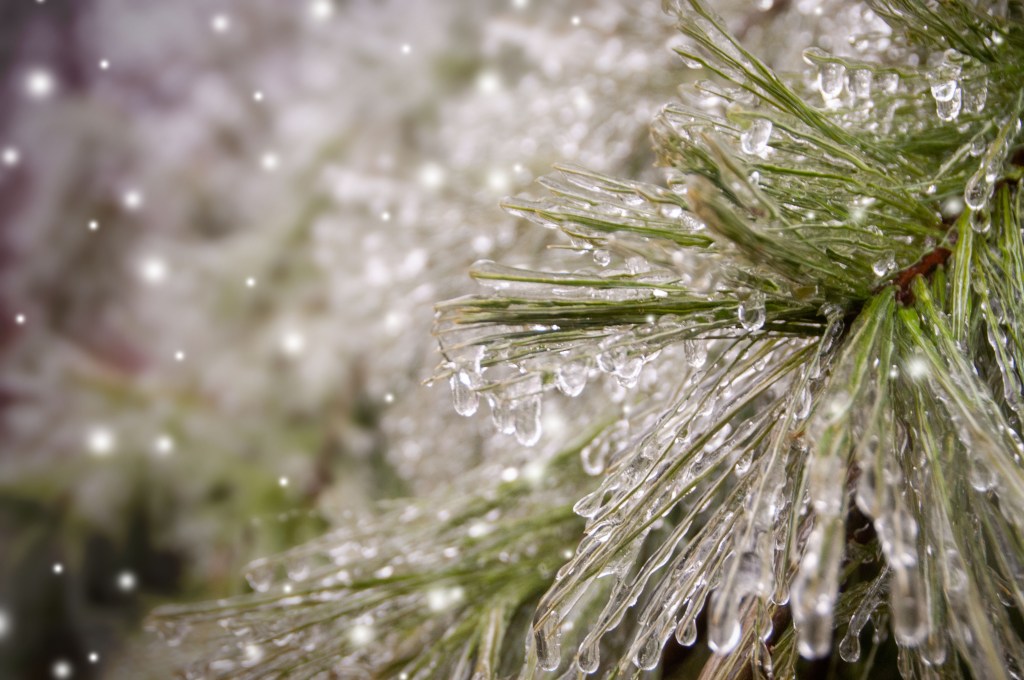
Harvest bark from the Eastern White Pine. The bark is flaky and can fall off in chunks. Try to avoid cutting into the tree if possible to protect it. Lightly pat the bark chips with a damp paper towel to remove debris, but do not fully wash. Spread the bark out onto a baking sheet and roast low and slow (175 degrees F., for 1 hour, or until crispy, but not burnt). Grind roasted bark with a food processor, or mortar and pestle.
Preheat the oven to 350 degrees F. Combine finished pine flour with the rest of ingredients. Mix with your hands until you can form a rough ball shape. Roll the dough on a piece of parchment paper, into 1/8th-1/4th inch thick (or however thick you like your crackers to be). Cut into shapes and use the parchment paper to gently lift and place the crackers on your cookie sheet. Bake for 20 minutes, or until a rich brown color (from the bark, not from being burnt).

Floral & Cleavers Slushie (spring)
- 1 c. foraged strawberries
- 2 c. other frozen fruit (blackberries, raspberries, cherries, and mango are all great choices!)
- 1/2 c. foraged Cleavers
- 1/2 c. foraged violet flowers AND foliage
- 2-4 sprigs of garden mint
- Orange Juice
- Chocolate Chips (to taste)
Add all fruit, foliage, flowers, and chocolate chips to a blender. Add just enough orange juice to keep your blender running smoothly as it purees the other ingredients. Immediately scoop into freezer-safe bowls and place in the freezer. Serve slightly thawed.
Want More Foraged Goodies?
Explore my other foraging blog posts and check out my book, Trails-to-Tasting! This book features foraged cocktail/mocktail recipes for all seasons as well as acting as a field guide so that you can confidently identify the plants used. Visit my shop for stickers and foraging merch. A portion of all proceeds benefits habitat preservation efforts.

