It’s May and that means that it’s Biodiversity Month! Throughout this month, we celebrate the incredible plants, animals, fungi, and other living organisms that call this planet home alongside us. One way to help acknowledge the important roles that animals play, and how we can be helping keep their populations healthy, is to talk about them! While this may seem like a small, and maybe insignificant way to help animals, it does make a difference. When we share our passions with others, the excitement is contagious! Tell your friends and family all about the amazing world of animals and why YOU care about their well-being!

If you’re looking for some great conversation starters, look no further than my newly launched “Build Your Own Zoo” Sticker set! Select animals from my collection of dozens of scientific illustrations in sticker form, perfect for carrying around your own little zoo with your personal favorites. People will comment on them, and bam! This is a perfect opportunity to talk about why protecting them is important, and how little actions at home can make large overall impacts.

Need some helpful talking points? Use some of these as starters:

  1. Why are these animals important to you? What do YOU love about them? Is it their appearance, behaviors, or ecological role?
  2. Many of these animals are so important to the health of their habitats. When we remove one species from an ecosystem, it impacts many others in the same system. What role do your favorite animals play in their habitats?
  3. Did you know that the biggest impacts to our marine ecosystems is overfishing, pollution, and climate change? Carefully selecting what seafood we eat to reduce overfishing, impacts from fishing methods, and farming methods can help. Reducing chemicals and pollution found in stormwater runoff at home can prevent polluted water from flowing into the ocean. By being aware of our carbon footprint, and the impact that we have on the environment personally can impact the rate of human-caused climate change. It may seem small to do these actions, but when we all work together the small actions can have big impacts!
  4. Desertification due to habitat overdevelopment, climate change, and agriculture land use are severely impacting natural Savannah and scrub-land regions. The coffee and tea that we purchase can make an impact on the land use in these sensitive regions!
  5. Harsh chemical pesticides and habitat reduction are negatively impacting our pollinator and insect populations. By planting natives, you can be allowing pollinators and insects to thrive, which in turn supports many predator and insectivore populations! Some of these insects even help manage soil health, ensuring that all of the plants in the area have access to quality nutrients and substrate.
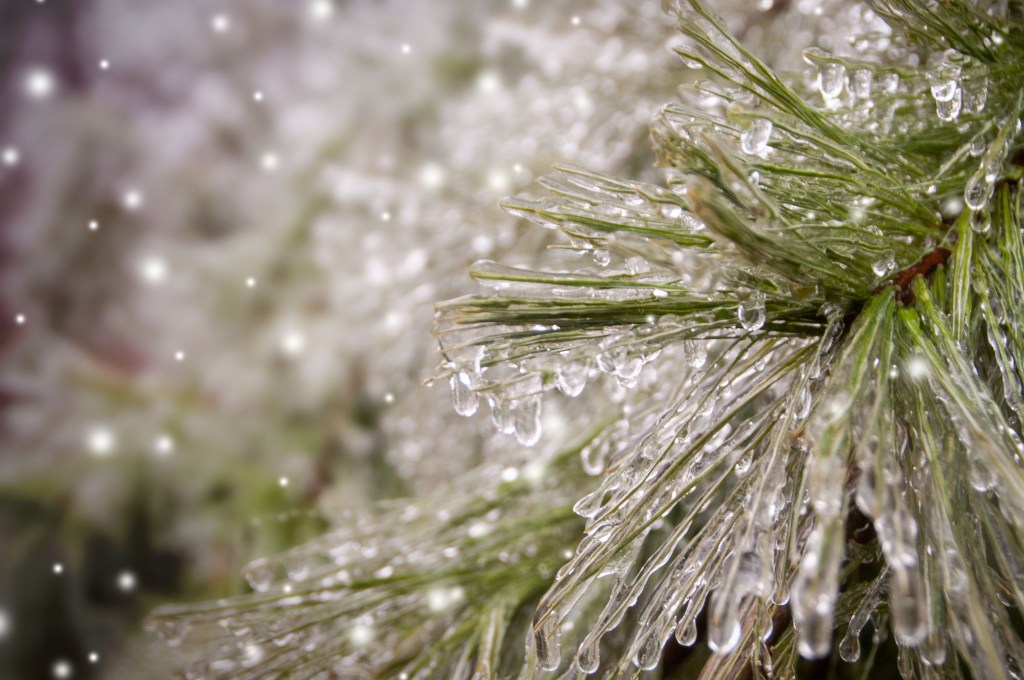
snowfall

By mid-February, I am 100% done with winter weather and am ready for spring sunshine! Thanks to climate change I hear the birds starting to sing and witness the return of the migratory Red-Winged Blackbird in late-February to early March. There have been several days above 60 degrees Fahrenheit, and the snow, if we got much, has all melted.

While I’m not a fan of snow, I do understand its importance in allowing my favorite spring wildflowers to grow and feed the wildlife I love.

What Does Snowfall Do for Soil?

When snow falls, it acts as an insulator. Yes, the top surface of the ground has frozen over, but farther down, the soil is still warm and cozy. Many insects, reptiles, and even some mammals rely on the warmth of their underground habitats to help them survive the winter. Without a layer of snow, the soil would be exposed to extreme temperatures, and the soil would freeze farther down. This would prevent those animals from being able to burrow deeply enough to escape the low temperatures.

In the spring, when the snow starts to melt, removing the layer of insulation, the temperatures have increased enough to keep those animals safe and even trigger their re-awakening.

What Does Snowmelt Do for Water Levels?

As snow accumulates, then melts, the cold water replenishes the groundwater levels. This snow melt refills low stream, river, and lake levels, especially in colder portions of the United States. Here in Pennsylvania, snowmelt significantly should help rejuvenate water levels. In more northern regions, like Canada, as much as 75% of later-year water in rivers comes from snowmelt! This snowmelt is vital for keeping both plants and animals alive throughout the year.

Without Snowmelt

Unfortunately, as temperatures continue to increase, snow falls become exceedingly rare. 2023 was the warmest year since global records started in 1850. Each year is predicted to be warmer than the last. Without that snowmelt in areas where the wildlife have adapted to winter snowstorms, both plants and animals can suffer. The water will not be enough (or cool enough) to maintain aquatic life, which impacts terrestrial life. While climate change is normal to an extent, human-caused climate change speeds up the process. This doesn’t allow wildlife the time needed to adapt.

Fortunately, there is hope. Personal changes and actions may seem small, but when many people take action, big changes can occur. Try these items to reduce your carbon footprint and mitigate human-caused climate change:

  1. Switch energy source or suppliers to a renewable resource. PECO, the power provider in my area, allows you to choose where your power comes from. I was able to choose wind power for my household, and hope to install solar panels when we are able to purchase a home instead of rent.
  2. Plant natives, especially trees and along riparian zones! Plants have the incredible ability to sequester carbon. Maintaining a high level of plant biodiversity goes a long way in maintaining healthy and resilient ecosystems. Find plants native to your area here!
  3. Reduce food waste. When food enters a landfill and isn’t allowed to decompose naturally, it produces methane. This is a gas that exacerbates climate change. Compost, grow new plants from waste like celery hearts or avocado pits, and eat what you put on your plate!
  4. Support eco-conscientious organizations. Businesses and industries male a HUGE impact on climate change, so support the ones who make a positive difference!

Support The Art of Ecology through merch purchases! A portion of the proceeds benefits wildlife conservation and habitat preservation efforts.

  • star nosed mole sticker
  • wildlife skull stickers set
  • wildlife circle sticker
  • moth sticker set
  • Live Wildly sticker
  • catch me outside sticker
  • i like big buds sticker
  • save the turtles sticker

Did you know that February is National Snack Food Month? To celebrate, head outside and gather up some locally foraged ingredients, make some tasty goodies, and sit back and munch away!

Foraged Vs. Commercially Raised Plants

Wild-harvested plants, when done sustainably and safely, can be so much healthier than similar foods purchased in a store.

Think of it this way, the bag of vibrant green spinach that you’ll use in your spinach dip came from a farm. The goal of commercial farms is to produce food for the millions of people that live in that region. To accomplish this goal, the spinach must be grown under perfect conditions, with no bug, fungal, or viral damage. The amount of water the spinach gets is the right amount, since irrigation mitigates drought damage. Some of these plants are even grown indoors in cold frames and special greenhouses! The plants are happy and well-cared for; ultimate couch-potatoes.

On the other hand, the Lamb’s Quarters (aka Wild Spinach) that you harvest while weeding in your yard, has to fight all of the time. It fights against insect damage, wind and weather, viral infections, and fungal invasions. As it fights, the plant builds itself up as it produces antioxidants, alkaloids, terpenes, and phenols to keep itself safe. When we eat the Lamb’s Quarters in our Foraged Wild Spinach Dip, we are also getting those benefits.

This is not to say that bulk grocery-store produce is all bad! The blueberries still are full of anthocyanin pigments, which provides us with antioxidants. The kale still is filled with vitamins and minerals. Wild plants just happen to be ideal in getting us nutrients – again, provided you harvest away from road and waterways.

Foraged Snack Recipes

garlic mustard pesto spring foraging workshop
Foraged Wild Spinach Dip (Summer – Fall)
  • 8 oz. Cream Cheese
  • 1/3 c. sour cream
  • 1/3 c. Parmesan Cheese
  • 1 c. wilted Lamb’s Quarters leaves
  • 1 tbsp. pureed Garlic Mustard or Onion Grass

Warm up and stir all cheeses together. When homogenous, add the wilted leaves, any extra foraged plants, or herbs. Stir once again, then heat before serving with chips!


White Pine Bark Chips (winter)
  • 1/2 c. all purpose flour
  • 1/2 c. Pine bark flour
  • 1/4 tsp. baking powder
  • 1/2 tsp. salt
  • 1/2 tbsp. olive oil
  • 3 tbsp. water

Harvest bark from the Eastern White Pine. The bark is flaky and can fall off in chunks. Try to avoid cutting into the tree if possible to protect it. Lightly pat the bark chips with a damp paper towel to remove debris, but do not fully wash. Spread the bark out onto a baking sheet and roast low and slow (175 degrees F., for 1 hour, or until crispy, but not burnt). Grind roasted bark with a food processor, or mortar and pestle.

Preheat the oven to 350 degrees F. Combine finished pine flour with the rest of ingredients. Mix with your hands until you can form a rough ball shape. Roll the dough on a piece of parchment paper, into 1/8th-1/4th inch thick (or however thick you like your crackers to be). Cut into shapes and use the parchment paper to gently lift and place the crackers on your cookie sheet. Bake for 20 minutes, or until a rich brown color (from the bark, not from being burnt).


Floral & Cleavers Slushie (spring)
  • 1 c. foraged strawberries
  • 2 c. other frozen fruit (blackberries, raspberries, cherries, and mango are all great choices!)
  • 1/2 c. foraged Cleavers
  • 1/2 c. foraged violet flowers AND foliage
  • 2-4 sprigs of garden mint
  • Orange Juice
  • Chocolate Chips (to taste)

Add all fruit, foliage, flowers, and chocolate chips to a blender. Add just enough orange juice to keep your blender running smoothly as it purees the other ingredients. Immediately scoop into freezer-safe bowls and place in the freezer. Serve slightly thawed.

Want More Foraged Goodies?

Explore my other foraging blog posts and check out my book, Trails-to-Tasting! This book features foraged cocktail/mocktail recipes for all seasons as well as acting as a field guide so that you can confidently identify the plants used. Visit my shop for stickers and foraging merch. A portion of all proceeds benefits habitat preservation efforts.

We know that in looking at a tree slice, we can count the rings to tell the age, but did you know that we can learn a LOT more than just age from the rings?

What are Tree Rings?

When you cut a slice of tree, you are left with what’s called a Tree Cookie. This slice can tell us a lot about the tree’s life history! Each ring not only tells the age of a tree in total, but also tells us things like the climate each year, if there were any bugs or fires, and the direction the tree grew.

First, you can count the total number of rings in the cookie. Each year, the tree will add a new ring, so one ring corresponds to one year of age. Second, The wider the space is between each ring, the better the climate of the growing season. If there was good water, sunlight, and nutrients that year, the more girth the tree can put on. If the climate was poor that year, then the tree allocates resources elsewhere and doesn’t put on as much girth. 

Tree Cookie Damage

Then, you can examine the tree cookie for fire damage. This might look like a small section of blackened wood cells. Because the inner cells are dead, they cannot repair the damage caused by the fire, so evidence of the damage will remain even decades later. Many trees are adapted to withstand fires, and in fact, some trees require fires to allow their seeds to germinate! These trees have thick, dark colored bark and often are rather resinous. The resin keeps seeds “locked” or gummed up, then melts when exposed to the heat of the fire. When the resin melts away, the seed can then germinate.

Next, examine the slice for insect damage. Holes, tunnels, and pock marks can be evidence of boring insect presence. The presence of insects usually indicates that the tree was stressed out to begin with, and the insects were attracted to the weaker wood.

Looking to see if the tree was leaning can be a good indication of if the tree was getting the sunlight it needed. If it wasn’t getting the light or nutrients it needed, then the tree can become stressed. A tree will lean to reach for the light and you will be able to see this lean in the cookie slice. When a tree leans, the rings will be all bunched together on one side. The rings will look asymmetrical. While a tree will usually lean in order to reach for light, there can be external pressures applied to cause the lean. For example, a neighboring tree may fall on the primary tree and sit on it for a long time, which can cause the living tree to lean. The pressure and weight of ice can also cause a tree to lean. 

Practice Your Tree Ring Interpretation

Take a look at the tree cookies and rings below! What can you learn about the tree’s life from examining the rings?

Extra Tree Cookie Goodness

Article about Climate Change Future Predictions using Past Tree Cookies

Hibiscus, orchids, and soft sunrises bring a soothing sort of cheer. The color of these natural scapes are so welcome, but what exactly is that color called? Pantone has selected Peach Fuzz, a soft, pinkish-orange hue to be the 2024 color of the year!

PANTONE 13-1023 Peach Fuzz captures our desire to nurture ourselves and others. It’s a velvety gentle peach tone whose all-embracing spirit enriches mind, body, and soul… A shade that resonates with compassion, offers a tactile embrace, and effortlessly bridges the youthful with the timeless.

Pantone.com

Where is Peach Fuzz found in Nature?

Obviously in peaches, Peach Fuzz can be found all over the natural world. These peachy colors are made of a variety of anthocyanin and carotenoid pigments. Anthocyanin pigments helps to boost the plant’s immune system, prevent oxidation in the cells, and also acts as a sunscreen for the plant! Carotenoids also aid in photosynthesis and prevent harmful radiation. Sunrises and sunsets can also present these soft pinkish-orange hues since the light waves reflected from the sky are long and have to bend to reach our eye as the sun emerges or disappears. Learn more about the physics of color and sunsets below!

In the collage here, I selected my favorite nature photos that I’ve taken over the past couple of years that highlight Peach Fuzz. I will definitely be on the watch in 2024 for this soothing, comforting, and cheery color!

Supporting The Art of Ecology through the online shop or by becoming a Patron at any tier on Patreon can help keep educational content coming!

Ranging from movement workshops to beach cleanups, film screenings and lectures, to semester-length classes, we seek to educate, protect, and preserve our water systems though knowledge, action, and community empowerment.

Katie Pustizzi, MFA: Liquid Spine

On June 11, 2023 Liquid Spine completed their Global Water Dances Project. The project
culminated in a free, public performance in the East India Square Fountain in Salem, Massachusetts. The contemporary dance performance, informed by the research and work of Salem Sound Coastwatch, highlighted the needs of our coastlines. In particular, the performance embodied the following ideas/initiatives:

  1. The mitigation of effects on our coastlines due to erosion, rising sea levels, and climate change.
  2. The importance and impact of community, knowledge, and volunteering.
  3. The need for individual and communal action to preserve and protect coastal ecosystems and seaside towns now and forever.

The grant from The Art of Ecology enabled Liquid Spine (Katie Pustizzi, MFA) to hire a videographer to document the Global Water Dances performance. The video will be shared with Salem Sound Coastwatch, The City of Salem, Creative County of Essex, and beyond. The video’s continual presence will further the performance’s ecological call to action and message. View the video below on Instagram.

In March, 2023, Katie Pustizzi and Marissa (The Art of Ecology) chatted about the Liquid Spine project, the importance of water conservation, and how the artistic form of dance and movement can be used to increase environmental literacy.

Support Future Conservation Mini-Grants

The Art of Ecology strives to set an example. A portion of all art proceeds benefits conservation efforts by environmental groups (in the United States). Previously, it was a dollar to this group or two dollars to that group. This adds up, but isn’t as impactful as it could be. In 2021, The Art of Ecology started allocating these funds into a Conservation Mini-Grant for people to make the world a greener place in a meaningful way. By shopping Local/Small/Woman-Owned, you can be making a positive difference in the health of our planet!

camouflaged yellow-bellied sapsucker juvenile

Throughout the year, we can hear the resounding “Rap-tap-tapping” of woodpeckers slamming their chisel-like beaks into the sides of trees, so why might we see more of them in autumn and winter?

The primary reason is because there is a lack of foliage to get in the way of our sight! Many of our local woodpeckers are small and can blend in with the tree bark, making them difficult to see, even if we can hear them really well. For example, the juvenile Yellow-bellied Sapsucker (seen in the image to the side here) has such incredible camouflage that if they are flush with the tree, it is so difficult to see them until they move!

So what woodpeckers might we see in this area?

Downy woodpeckers specialize in hammering away at trees in search of insects that bore into the wood, however they can also be seen pecking at black oil sunflower seeds.

Downy Woodpecker

This is the smallest of our local woodpeckers. It can be distinguished from the Hairy Woodpecker by its smaller size and short, stubby beak, otherwise they look very similar. The males have a red patch on the back of their heads, while the females lack that bright color. They primarily eat beetle larvae and caterpillars, however a small portion of their diet is herbivorous. They can be seen at feeders, picking at black oil sunflower seeds, suet, or berries.  

yellow-bellied sapsucker

Yellow-bellied Sapsucker

As mentioned earlier, this bird has incredible camouflage! The adults are primarily black and white with a red patch on their heads, although the males do have an extra red patch on their necks as well. The juveniles are brownish in color, which makes the checkered pattern on their backs difficult to see when they are perched on furrowed bark.

While they are classified as woodpeckers, they don’t go after insects like most of the other local woodpeckers do. These birds create rows of tiny, shallow holes in tree bark which allows the sap to flow freely and they will lick up that sugary sap. Think of these wounds as paper cuts that we might get – easy to heal, but we still might bleed from them!

The Redbellied woodpecker loves hammering away at trees in search of insects that bore into the wood.

Red-bellied Woodpecker

This medium sized woodpecker has a vibrant red cap, although the female’s red head doesn’t extend to her beak like it does in the male’s. Their chests, despite the name, are primarily a whitish-cream color, but you can see a smidgen of rusty-cinnamon color there too! They are often seen in the tops of trees, foraging for spiders. They do eat plenty of nuts, however! The Red-bellied woodpecker can often be found picking apart pinecones in search of seeds, visiting peanut feeders, and cracking open acorns. While not super common, these birds can be vicious predators too, hunting small lizards and fish, as well as nesting birds!

Pileated Woodpecker female

Pileated Woodpecker

This is our largest woodpecker, with a wingspan of roughly 30 inches! They require woodland habitat, and rarely visit feeders, so these can be harder to spot. When hiking, search dead and dying trees for rectangular holes, which are uniquely made by the Pileated Woodpecker.  Contrary to what we might think this large bird’s favorite insect food might be, they really love tiny ants! They can be seen foraging for a long period of time in one tree, slurping out termites and Carpenter Ants.

Protecting Woodpeckers

Most of our native woodpecker species require dead trees and cavities as nesting sites. Do you have a dead tree in your yard or community that needs to come down for the safety of buildings, cars, power lines, or people? Consider leaving a wildlife snag. This is a dead tree that has been specifically cut to reduce the number of limbs that could fall and cause damage during storms or high winds. Usually, 15-25 feet of trunk is left behind to provide habitat for wildlife and to be decomposed naturally. 

Another way to help them is to provide seed, nut, mealworm, and suet feeders in the late fall to early winter. Many insects have become dormant, so there is an increase in competition for food resources. You will fall in love with the biodiversity of birds that come to these sorts of feeders this time of year! 

Finally, shop wildlife and woodpecker merch from The Art of Ecology! Stickers are perfect for sparking conversations about ecology and the importance of woodland biodiversity. Plus, a portion of the proceeds benefits wildlife conservation efforts.

northern flicker
downy woodpecker
white breasted nuthatch
Left to Right: Red Fox, White-tailed Deer & jaw bone, Emu, Box Turtle

It’s spooky season! It may be spooky to find a skull or animal bones in the woods while hiking, however this decomposition process is an important part of the circle of life.

Trigger Warning – the next section of the post addresses death. Other autumnal/Halloween posts can be found below if you need to move on.

Circle of Life & Nutrient Cycling

Death is an important part of the natural world. As a plant or animal dies, it goes through the decomposition process. Carrion eaters, such as vultures, consume the flesh of recently dead animals. The remaining bones are then further broken down by fungi, small insects, and bacteria over time. The nutrients from the entire body are cycled back into the ecosystem. The vulture will eventually excrete its waste, and the fungi or beetles that eat the bones will die and feed the soil. 

The soil, now rich in nutrients in the organic layer, gets mixed and stirred by critters like moles, worms, and other microbes. This mixing allows plants to take up nutrients easily. Once the plants have the nutrients they need, they can produce seeds that germinate and provide food resources for more animals! The nutrients travel through the food web, and as the animals expire, those nutrients get cycled once again. It’s a very efficient system!

The process of breaking down bones, though, takes a while. Chances are, if you come across remnants of animals in the woods, you’ll be left with bones, and the muscle and flesh will have been picked clean. Once you’ve found that set of bones on your adventures, did you know that you can find out a lot about that animal just by examining the skull?

How to ID Wildlife Skulls

First, examine the eye orbitals. Where are they located? If they’re on the front of the skull, you’ve found a predator. If they are on the sides of the skull, you’ve found a prey species. 

Next, examine the top of the skull. Is there a large line, or ridge down the center of the skull? If so, then you’ve found an animal who really loves to chew and bite! This ridge is called the Sagittal Crest and is where the jaw muscles attach. The larger the crest, the more the animal needs strong attachment points. So we know that the animal was a voracious hunter. 

If not, move on to the teeth (really helpful for identifying mammals). Is the jaw still intact, or are teeth left in the top jaw? Prominent incisors with small canines show that the animal was most likely a herbivore that wouldn’t need large canines to hunt. Herbivores will also have large, plate-like premolars and molars for grinding down plant matter. Large canine teeth (looks like “fangs”) mean that the animal needed to bite and catch onto prey. Those hunters will have premolars on the top and bottom jaws that match up like a pair of scissors. These are called Carnassial Pairs. Those teeth allow the animal to shear through meat.

Now, if you find an animal whose incisors are extremely large compared to the rest of the teeth, then you most likely have a member of the rodent family. These ever-growing incisors are made to gnaw, which makes chewing through hard nuts and seeds easy! 

spooky season skull diagram

More ID Methods & Tips

There are so many other things to examine to ID the animal further, like the presence/position of the auditory bulla, rostrum size and shape, length of skull, etc… Below are some fun facts that might help you immediately identify the skull:

*NOT a skunk skull, but a raccoon! The skunk is winder and the rostrum (or nose part) is blunter than the raccoon. It will have similar incisors though.
  1. Rabbit skulls have sides that look like lace, rather than solid bone.
  2. Turtles have beaks! Their jaws will come together at a point and have no teeth.
  3. Bird skulls are very lightweight. Owls have extremely large eye orbitals compared to the size of the skull, which allows for great nocturnal vision, but limited eye movement since there isn’t room in the skull for muscles!
  4. Here in Pennsylvania, if you find a skull with antlers, you’ve either found a White-tailed Deer or Elk skull. The primary difference between those two is the size. Elks are much larger than deer!
  5. White-tailed deer do not have incisors on their top jaw, only the bottom!

Celebrate spooky season with my Skull Sticker Set! A portion of the proceeds benefits wildlife conservation efforts.

This is an example of an ecotone, where a forest butts up against a field.

In the ecotone—a transition area between two habitats—that is the entire region where I live (Southeastern PA), where nature butts up against suburbia, we can expect to have more engagements with wildlife than our city cousins.

Some encounters may be welcome, like watching a cottontail rabbit romping past or a bald eagle ascend overhead, while others may feel more intimidating, like an evening run-in with our largest local predator, the Eastern Coyote.

Eastern Coyotes stay together as families; with a monogamous pair and their offspring hunting and living together in a single territory. Occasionally, coyotes in other territories will help other groups hunt for food during April-late May when litters of 4-6 are born and there are more mouths to feed. Once the pups are a few months old, the coyotes move to a new den. When the pups are 6-8 months old, they may leave their family unit in search of a new territory or stick around to help raise their new, younger siblings for a short time. 

Many believe that the coyote population here is on the rise as there may be more human-coyote encounters, this may not actually be the case. As the human population increases and land development continues and people are out and about more, coyotes that were once hidden become visible, or audible! 

As a primarily nocturnal animal, we may not see a coyote, however many may hear them! During a hunt, coyotes display remarkable communication skills that range from yips to howls. Since coyotes hunt solitarily or as a group, communication and teamwork between the family is key. The calls instruct and direct family members during a hunt, or call individuals back for the night. In areas where territory lines are close, coyotes will also bark to warn away potential trespassers. 

At first glance, a coyote may seem fierce in its role as a predator, but we can take steps to help us live harmoniously with them rather than in fear of them. For starters, coyotes play an active role in wildlife management. While they can’t fully manage the white-tail deer population in southeastern Pennsylvania, for example, without them human-deer conflicts in the region, already plentiful, would only be exacerbated.

One of my Illustrations overlaid on my photo to show the life history and characteristics of the Eastern Coyote.

Coyotes would much rather slink away from us than risk a confrontation. If you are being followed by a coyote and feel uneasy, let it know who is dominant. By standing tall, making a lot of noise, you can communicate that you are not, in fact, potential prey. According to the Humane Society, you are more likely to be injured by an errant flying champagne cork than by a coyote. Unfortunately, to these predators, small dogs, cats, and farm animals such as sheep, goats, and chickens are easy targets, so keeping your pets inside or supervised while out in the evenings can keep them safe.

Another strong deterrent: Make sure your backyard does not present as coyote-friendly territory. Coyotes are opportunistic, meaning they will eat whatever is left out for them. In this ecotone, snacks are in abundance and wild competitors are few. With food from trash, leftover scraps in restaurant dumpsters, bird feeders, and outdoor pet food, coyotes in the region are in food heaven. Removing outdoor pet food and keeping trash, especially food waste, properly contained can help prevent your backyard from becoming a nighttime coyote playground.

Aaron Facka, a furbearer biologist with the Pennsylvania Game Commission, says coyotes are managed not based on population, but on their impact on human society. As incident reports of agricultural damage and complaints of nuisance coyotes are made, management practices are put into play. Facka recommends calling the Southeast Region of the Pennsylvania Game Commission, at (717) 710-8911, which will dispatch a local warden to help. New Jersey residents can call the NJ Fish & Wildlife Division’s Wildlife Services at (908) 735-8793.

Once we learn more about the role that coyotes play in the ecosystem and better understand their behavior, we can feel more at ease living side by side with these incredible members of the natural community.

September marks National Mushroom Month since many fungi start appearing this time of year. Whether you’re looking for mushrooms to eat, to use for making botanical dye, or just because you plain old appreciate them and find them fascinating, September is a great time to search for fungus. As the temperature drops and the late summer rains create a moist environment, perfect for growing fungi.

To celebrate Mushroom Month, I participated in the #FallFungiMadness challenge on Instagram, put on by Sue Fields and Tiny Kate Creates. Each scientific illustration tells a story of the fungal species, from highlighting their role as decomposers, to why the fungus is the color it is, to how to distinguish between edible fungi and their toxic look-alikes! What I love the most about the challenge is that with each illustration I do, I grow in my understanding of fungi and I get to see what about that species other artists find fascinating and choose to highlight.

Below, you’ll get to see some of my pieces from the #FallFungiChallenge!

Wine Cap (Stropharia sp.)

These saprophytic, edible mushrooms rely on already dead organic matter, which makes mulch garden beds, bark chip playgrounds, and natural trails a perfect spot to find these wine-colored mushrooms. Keep your eye out for these edible mushrooms growing in March-May (depending on the year’s climate) here in Pennsylvania.

As many mushrooms age, they change color. This can be attributed to them trying to attract animals as spore dispersers, staying warm, or keeping moist. These Wine Caps are no different! They start out wine-red, then fade to a tannish-gray as they age. 

Chanterelles (Cantharellus sp.)

Chanterelles are a testament to the importance of being able to distinguish between edible mushrooms and their toxic look-alikes. A false Chanterelle may look similar at first, however it has some important differences. First, they have hollow stipes. Second, the gills may be more distinct, rather than ridged, like the true Chanterelles. Some mushrooms also have a distinct scent, and the Chanterelle is one of them! These mushrooms have a slightly fruity scent, which can help you distinguish between them and other similar looking species.

Chicken of the Woods (Laetiporus sp.)

While many fungi do have toxic look-alikes and can make foraging difficult for beginners, the Chicken of the Woods is a great mushroom to start your foraging journey with! These are distinct mushrooms, with very few, if any look-alikes. Despite being both saprophytic and parasitic, meaning that they do kill their host tree and feed on the dead wood later, they are so nutritious for humans! They range in color from a bright yellow to deep, almost reddish orange and always grow in a thick shelf form on the lower portion of the trunks of trees. If you get the chance, take a look at the bottom side of the shelf fungus. The mushrooms should have pores, rather than gills, and no stem, which makes them distinct. This being said, be very careful harvesting any wild mushrooms – do not ingest without being sure of its identity. Bring a field guide or mycologist with you on your foraging journey.

Death Cap (Amanita phalloides)

Universal Veil Remnants are some iconic features of Amanita fungi. The bulbous base seen here is called the volva, and is the bottom remnant of the veil. This veil protects the mushroom as it grows. When the mushroom gets big enough, the top and bottom portion of the veil split apart. Some Amanita mushrooms still have remnants of the veil on the top of their cap (those white spots on the bright red Fly Agaric), some have skirts around the stipe right underneath the cap, but all Amanitas, including the Death Cap, have that bulbous volva. 

As the name suggests, it is one of the deadliest mushrooms in the world, destroying the kidney and liver cells of those unfortunate enough to eat them. Understanding how to identify mushroom spores, shape & color at various life stages, and anatomy is so integral to get their ID correct. 

Witches Hat (Hygrocybe conica)

Waxcaps are a group of fungi that, as the name suggests, have slippery caps. This can help the fungus spread their spores. The Witches Hat, named for its shape and its eventual color change to black over time, is also a wax cap. When young, the mushroom starts out pointy and vibrant yellow-orange. When the mushroom gets damaged, bruising occurs and the damaged portion turns black rather quickly. As the mushroom naturally ages it fades to a greenish-gray, and then to black.

More Things Fungi!

Do you love these fungi as much as I do? While I don’t recommend foraging for fungi unless you are beyond 100% sure of its identity (without a shadow of a doubt….), there are some other great ways to get your fill of fungi! You can find some mushroom prints in my shop, as well as take my online botanical illustration course “Focus on Fungi”! In that 50 minute course, you’ll learn more about mushroom anatomy and fungi taxonomy, as well as some helpful illustration tips for drawing fungi. Plus, find these illustrations and others from previous FallFungi Challenges in sticker format.  Supporting The Art of Ecology through the online shop or by becoming a Patron at any tier on Patreon can help keep educational content coming!